Over a decade ago, I worked in consulting and was put on a mobile project. Like many designers, I believed that with good process and instincts, I could create a compelling solution, regardless of the technology or use case.
After spending some time with the client, I spent a week or two working completely alone in Omnigraffle mapping out all the screens we would need. I printed the screens on large sheets of paper (probably close to 100 pages) and took the deck to the conference room to meet my developers. I was confident I had come up with a great set of wireframes and I could hand off this project with little fuss.

I set the stack of wireframes on the conference table and started to flip through each page, excitedly describing to the developers the flow and all the features we’d need to build out.
The developers patiently waited for me to finish. Once I got to the last page of the wireframes, I asked for questions. The lead developer smiled at me and very kindly, but very directly told me “These are really great, well thought-out wireframes…but this is not a mobile app.”
I did not understand what I was being told. What do you mean it isn’t a mobile app? Every single wire was placed in a mobile phone frame and, even if the screen dimensions weren’t perfect, they had to be close enough to a mobile phone, right? What was I missing?
This was a critical moment where I could have left the room and not changed my behavior or the designs. But I didn’t. I stayed and I leaned in.
This became the first project where I moved into the project war room with the developers and I was there until the end of the project with this client. Every day, I sat down with the developers and we reworked flows, screens, and patterns while we tested ideas in code. I read a lot of documentation and I asked even more questions.

At the time, there were no tool kits to pull in native patterns and many of these mobile standards were new enough that any documentation that did exist was technical and thin. We had to figure it out together, and in the process, we built shared language and understanding around what mobile design was (or at least should be).
At the end of the project, I was eager to share what I had learned with other designers. I wanted to help people avoid the pitfalls that I had encountered and illustrate that designing for mobile was different than designing for other technologies. As time passed, I grew to appreciate how much there was to learn about mobile and I became even more passionate about helping others become better mobile designers.
Having this experience made me realize how we, as designers, can sometimes make decisions that serve ourselves more than our team or our users. Sometimes we let our ‘vision’ or ‘process’ get in the way of collaboration and learning. For whatever reason, we feel defensive and protective of our work and ideas, sometimes going so far as to shut other people out and only deliver final or near final thinking. I understand how this happens because I also had those habits and I learned how much it held me back.
The secret to being a great designer, mobile or otherwise, is knowing how to build a team around you with diverse experiences, knowledge, and viewpoints. I really believe you cannot be a great designer in isolation or only in the company of other folks with “designer” in their title. You need to bring everyone together, not to create consensus around compromise, but to dig in and make sure you have the right information to solve the right problem.
Yes, there is mobile specific stuff to learn, too. Mobile design is more than the frame you put your ideas in or the size of the screen, but having a team to help you on that journey is almost more important than what you think you know about the tech.
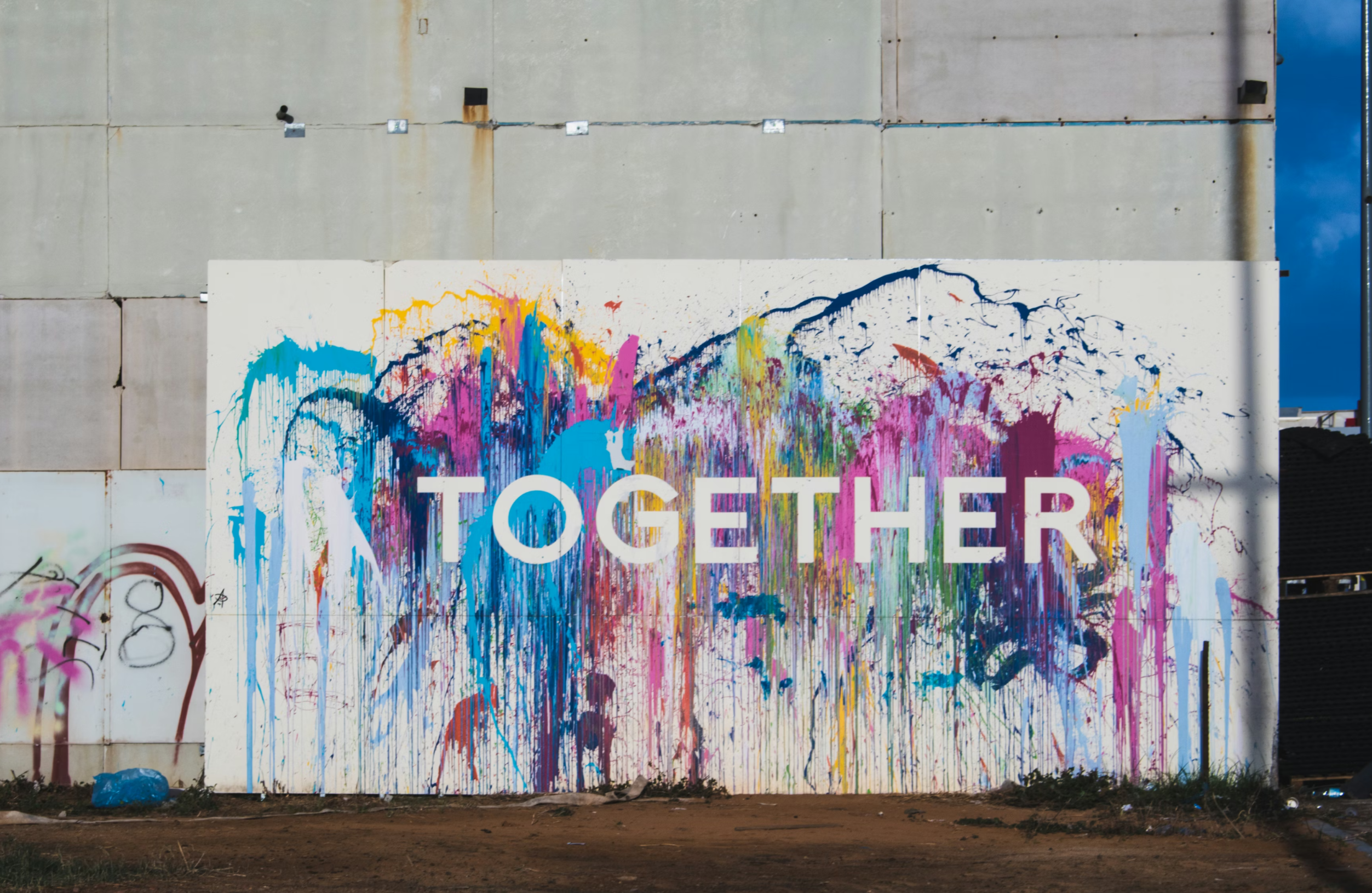
There is an adage about “If you want to go fast, go alone; if you want to go far, go together”, and I think there is some truth to that. I’d also argue, however, that you only think you are going fast because you are alone. If you really want to go “fast”, innovate, or grow : go together. I strongly believe that is what makes anyone working with any technology a better designer.